
The Future of Shopping Centres: Mixed-Use Developments & Urban Planning
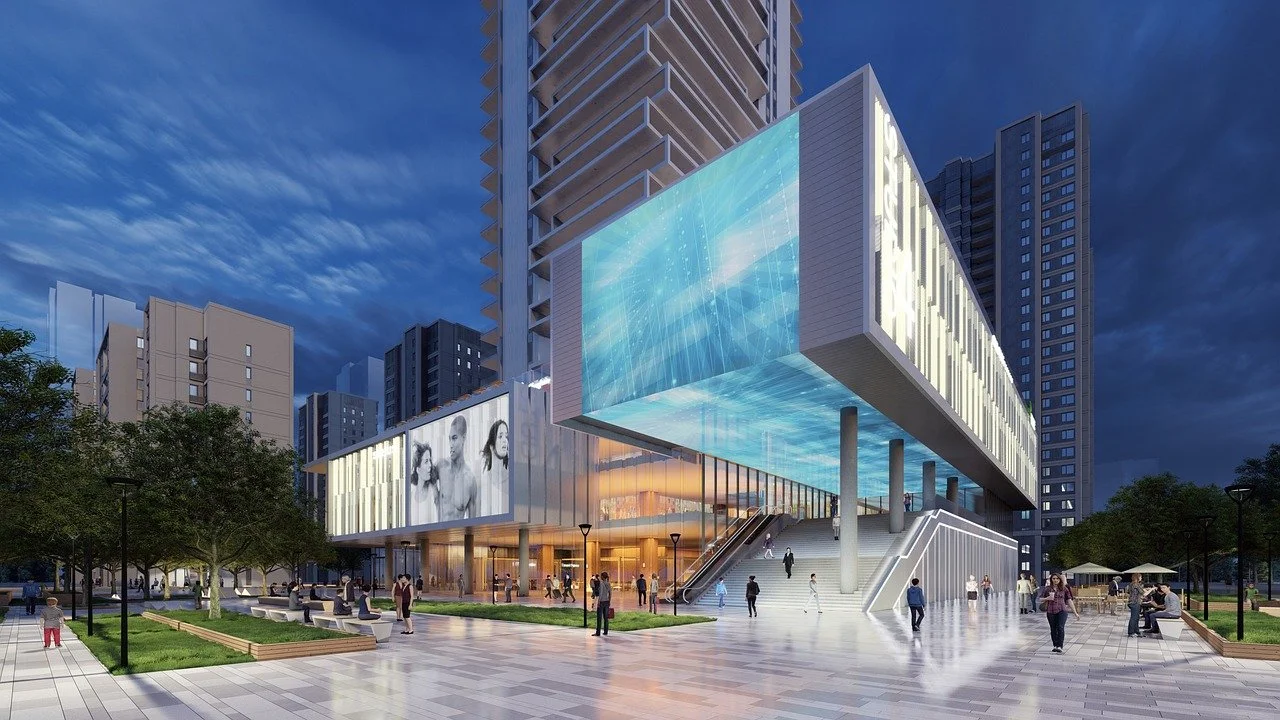
The "dead mall" era is over. In its place, a new breed of precinct is emerging—one where the line between where we work, live, and play has completely disappeared. Shopping centres are no longer just places to shop; they are becoming lifestyle destinations—vibrant, 24-hour spaces where people live, work, socialise, and connect.
As consumer habits shift and Australian cities grow denser, developers and landowners are rethinking how retail spaces fit into the fabric of modern life. The result is a clear move toward integrated, flexible environments that combine retail with residential, commercial, and lifestyle elements. This is where the conversation around the future of shopping centres in Australia truly begins.
What Are Mixed-Use Developments?
At its core, a mixed-use shopping centre blends different property types into a cohesive space. Think retail on the ground floor, offices above, and residential apartments nearby. Add in green spaces, entertainment venues, and community hubs, and the full picture of a "mini-city" emerges.
While the concept of commercial mixed-use development isn't entirely new, its evolution has accelerated. The focus has shifted from simply "stacking" uses to creating a seamless human experience. Modern consumers want convenience, but they crave connection. Developers are now designing precincts where daily life happens within a walkable radius: grab a coffee, head to work, meet friends for dinner, and return home—all without leaving the precinct.
Globally, some of the best mixed-use development projects feel like small cities within a city. They are carefully planned, highly activated, and built with long-term value in mind.
Why Traditional Shopping Centres Are Changing
The traditional mall model—rows of retail stores anchored by massive department stores—is under immense pressure. Online shopping, changing consumer expectations, and evolving lifestyles have redefined what draws a crowd.
Experience Over Transactions: Retail alone no longer drives foot traffic. People want spaces that offer "social currency"—experiences worth sharing. This is why many new shopping centre developments are shifting away from single-purpose retail layouts. Instead, dining precincts, co-working spaces, and wellness hubs are becoming standard inclusions.
Economic Resilience: Mixed-use developments spread risk across multiple income streams. When retail cycles slow, residential or commercial components provide stability.
Creative Land Use: For landowners, this shift opens up creative ways to make money with land, especially in high-growth areas where demand for integrated living is skyrocketing.
Key Features of Future Shopping Centres
The next generation of shopping centres is being shaped by a mix of design, technology, and community focus. These evolving shopping centre development trends highlight how the industry is moving beyond traditional retail into fully integrated lifestyle precincts.
Experience-Led Design: It is less about "where to shop" and more about "where to spend time." Open-air layouts, interactive art installations, and curated event spaces encourage visitors to linger longer, turning a 20-minute errand into a three-hour stay.
The Integration of Living and Working: By building residential towers and co-working hubs directly into the retail zone, developers create a built-in customer base. This approach is central to many urban planning mixed-use projects, where density and accessibility are key priorities. This "captured audience" activates the area throughout the day and night, ensuring it never feels like a "ghost town" after 5:00 PM.
Sustainability as a Standard: Sustainability is now an asset performance requirement. From energy-efficient systems to green infrastructure, integrating sustainable technologies for commercial buildings reduces long-term costs and appeals to eco-conscious tenants. In 2026, meeting 6.0 NABERS Energy ratings and all-electric standards is becoming the benchmark for attracting premium tenants and government leases.
Community-Centric Spaces: Future centres act as the new "town square." Public plazas, green parks, and cultural areas turn commercial assets into essential community hubs.
Flexible and Adaptive Design: What works today may not work in a decade. Adaptive design allows for retail units to be converted into healthcare suites or micro-fulfilment nodes as market demands shift.
The Role of Urban Planning in Mixed-Use Developments
Behind every successful mixed-use project is a sophisticated planning strategy. Urban planning is not just about securing approvals; it is about creating a vision that aligns with infrastructure, market demand, and long-term growth.
Well-executed planning ensures that different uses work in harmony. For developers, this is where local expertise becomes a critical competitive advantage. Engaging town planning services in the Gold Coast is essential to account for unique coastal density requirements and specific growth corridors. Navigating these complexities requires a deep understanding of local regulations, such as the Queensland Planning Regulation 2017 and newer fast-tracked pathways.
Similarly, working with experienced Gold Coast commercial property development consultants can make the difference between a project that merely exists and one that thrives in a competitive market.
Looking Ahead
The direction is clear: the future of retail is not just about shopping. It is about creating places where people want to be.
Developers and investors who embrace this shift toward integrated, multi-functional environments are better positioned to create resilient, high-value assets that stand the test of time. As our cities continue to grow and consumer expectations for convenience and experience rise, the gap between average developments and exceptional ones will only widen. The projects that will define the next decade are those that bring together a bold vision, local planning expertise, and a commitment to creating places where people genuinely want to be.