
Granny Flat vs Duplex: Which Option Adds More Property Value?
If you’re looking to boost your property’s value, two options usually come up: build a granny flat or develop a duplex. Both can increase rental income. Both can improve resale appeal. But they serve different goals.
So which one actually adds more value?
Which option adds more value depends on your land size, budget, plans, and local council rules. Let’s break it down in simple terms.
What Is a Granny Flat?
A granny flat is a fully self-contained second dwelling built on the same property as your home. It can sit at the back of the block, be joined to the house, or be planned upfront as part of a well-designed house plan with attached granny flat.
Many homeowners choose this option for flexibility. It can be used for aging parents, adult children, guests, or as a rental. In high-demand areas, especially when building a granny flat in Queensland, this option is popular due to simpler approval pathways compared to larger developments.
The key benefit? Lower upfront costs and faster build times.
What Is a Duplex?
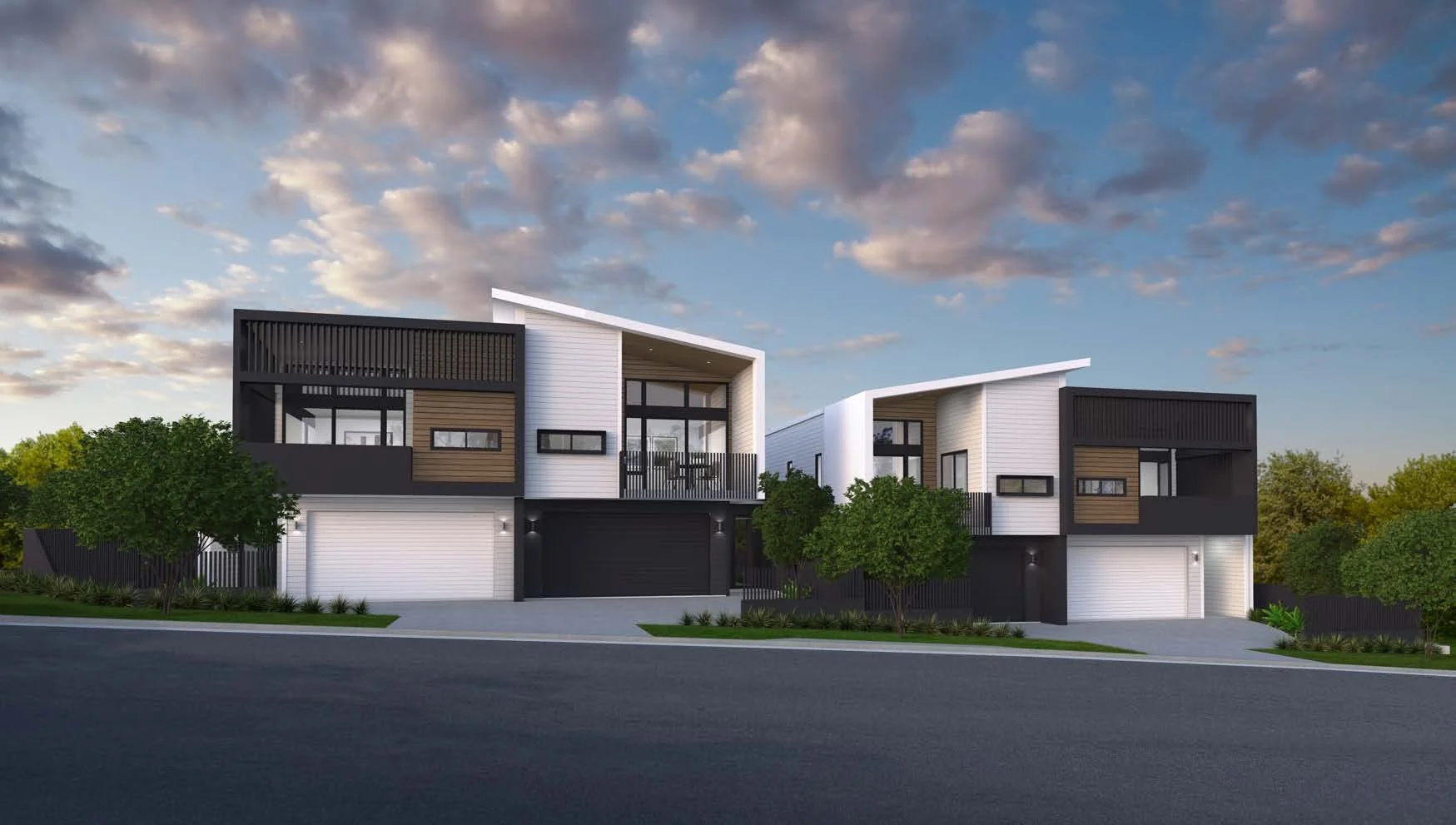
A duplex is essentially two homes built on one block. They can be attached side-by-side or stacked vertically. Some modern layouts are even designed as duplexes that look like one house, which helps maintain street appeal.
People often ask, is it worth building a duplex? It can be — particularly if your land size and zoning allow subdivision. A duplex may significantly increase overall property value because you’re creating two separate dwellings, sometimes with the potential for separate titles.
This opens the door to selling one and keeping the other. Or renting both for dual income.
Comparing Upfront Costs
Budget matters. A lot.
The price to build a granny flat is generally lower than constructing a duplex. It requires less structural work, fewer services connections, and often less complex design documentation.
On the other hand, duplex projects involve higher construction costs, more detailed council approvals, and potentially subdivision expenses. When considering duplex house design and cost, you also need to factor in site works, parking requirements, and compliance with planning codes.
While duplexes cost more upfront, they also offer higher potential resale value.
Rental Income Potential
If your goal is rental return, both options can perform well.
A granny flat adds an extra rental income stream, making it ideal for homeowners seeking passive income without major redevelopment. Selecting well-designed granny flat floor plans in the Gold Coast can help maximise space, create a practical layout, and attract reliable tenants.
A duplex, however, doubles your opportunity. Two dwellings mean two rental incomes. In high-growth areas, this can significantly outperform a single secondary dwelling.
That said, vacancy rates, demand, and tenant type will influence actual returns.
Long-Term Property Value
When it comes to pure capital growth, duplexes often have the edge.
The benefits of duplex house developments include stronger resale flexibility, higher combined land value, and the option to strata title. In some cases, building duplexes allows you to sell each dwelling separately, unlocking equity faster.
Granny flats still add value, especially in rental-heavy suburbs. But they are usually considered an addition to the primary home, not a separate asset.
If your strategy involves building duplexes for profit, the numbers may stack up better in the long term — provided market conditions support demand.
Design and Lifestyle Considerations
Beyond money, lifestyle matters.
Granny flats are less disruptive. Construction is typically quicker and easier to manage. They’re ideal if you want to stay living in your main home during the build.
Duplex builds are larger projects. You might need to demolish the existing house first. Some homeowners choose double storey houses with granny flat designs as a middle ground, maximising land use without going fully into duplex territory.
The right choice depends on your block size, neighbourhood character, and personal goals.
Council Regulations and Block Size
Local council rules play a huge role in what you can build.
Granny flats often have size limits, commonly around 60–100 square metres depending on location. Duplexes require wider frontages, minimum lot sizes, and stricter planning controls.
Before deciding, it’s essential to review zoning requirements and feasibility. A design that works beautifully on paper still needs to pass council approval.
So, Which Adds More Value?
There’s no one-size-fits-all answer.
If you want a lower-risk, lower-cost way to increase rental income and improve property appeal, a granny flat is often the simpler path.
If you’re aiming for maximum land value, stronger resale potential, and possibly subdivision, a duplex usually delivers greater long-term gains — especially in growth corridors.
The smartest move is aligning your build with your strategy. Are you planning to hold and rent? Sell and profit? Support family? Build equity fast?
When the design matches your financial goal, that’s when real value is created. Consulting a planner or architect can help you choose the right option and maximise property value.