
Land Subdivision 101: What to Know Before You Begin
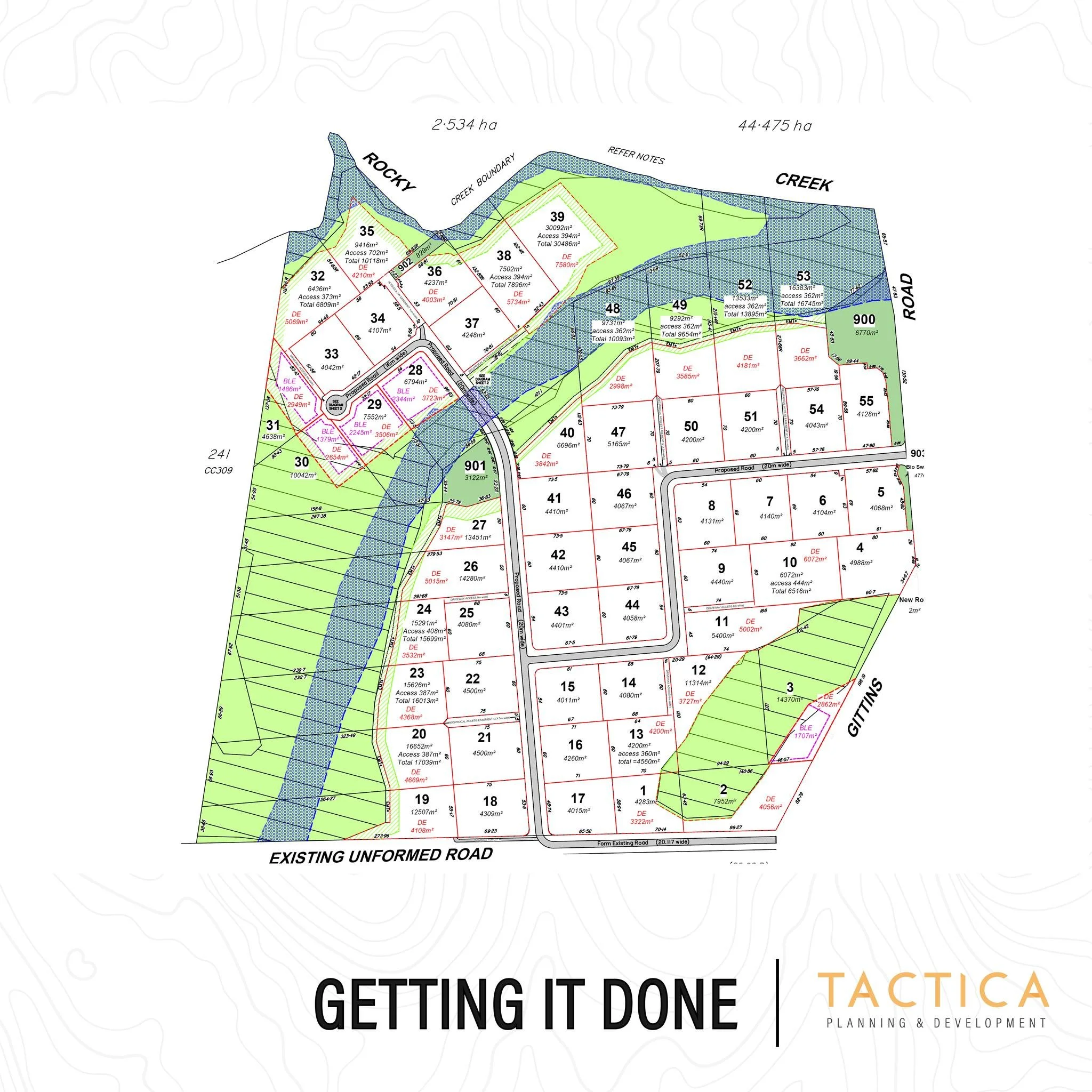
Subdividing land isn’t just for investors or developers—it’s an option for any property owner looking to make the most of their space. If you’ve ever wondered, "Can I subdivide my property?" or how to split your land into smaller, usable lots, land subdivision could be the solution. It can boost property value, create new housing opportunities, or simply give you more flexibility—but it comes with rules, costs, and careful planning.
What is a Subdivision of Land?
A subdivision of land involves dividing a single parcel of land into two or more separate lots. Each lot can then be sold, developed, or retained depending on your goals. Subdivision is not just about splitting land arbitrarily—it must meet strict land subdivision requirements set by local councils. These rules ensure that each new lot has proper access, utilities, and complies with zoning laws.
The process of subdivision of land typically begins with checking whether your property is suitable. Factors like lot size, location, and zoning can influence what’s possible. If you’re unsure, consulting land subdivision consultants in Queensland can provide expert guidance tailored to your property and local regulations.
Common Reasons for Subdividing Land
There are several reasons why property owners choose to subdivide. One of the most common motivations is to create additional lots for sale. Selling subdivided parcels can be a lucrative way to capitalise on rising property values while making the most of your current assets.
Subdivision can also serve family purposes. Some homeowners divide their property to provide separate plots for children or relatives, giving everyone their own space while keeping the land in the family. In other cases, owners plan to build a home on their land while retaining another lot for future use or investment.
How Much Does it Cost to Subdivide?
Subdivision costs are highly variable and are influenced by your location and the complexity of the site. When budgeting, you must account for all costs involved in subdividing land, which generally include:
Professional Fees: Surveying, town planning, and legal expenses.
Infrastructure & Utilities: The "hidden" costs of connecting new lots to water, sewerage, electricity, and telecommunications.
Council Contributions: Often called "Headworks Charges," these are fees paid to the council to help fund local infrastructure.
On average, a simple two-lot subdivision can range from $30,000 to $100,000+, depending on the region. Working with professionals ensures you identify these costs early, preventing expensive surprises mid-project. Additionally, keep in mind that most subdivisions take anywhere from 6 to 12 months—or longer—to complete.
What You Need to Know About Subdividable Land
Not all land is suitable for subdivision. Subdividable land must meet zoning restrictions, environmental regulations, and access requirements. Before committing to a full application, watch out for these common "deal-breakers":
Easements: Underground pipes (sewer/stormwater) or power lines that run through the middle of your property can severely limit where you can draw new boundary lines.
Lack of Street Frontage: Most councils require each new lot to have direct, safe access to a public road. "Battle-axe" lots (behind the front house) have very strict driveway width rules.
Significant Vegetation: Protected trees or "koala habitat" zones can lead to a flat rejection if the subdivision requires clearing protected flora.
Topography Issues: Extremely steep land often requires expensive retaining walls and complex drainage solutions that can eat up all your potential profit.
Zoning Changes: Just because your neighbour subdivided five years ago doesn’t mean you can today. Zoning laws change frequently; always check the current local planning scheme.
Why Expert Guidance Matters
Navigating minimum subdivision lot size requirements is often the most critical hurdle in the planning phase. On the Gold Coast, these standards vary significantly by zone; a "Low Density Residential" lot typically requires 600m², whereas "Rural Residential" zones may require a minimum of 4,000m². Falling short of these dimensions can make a project unfeasible or trigger a complex "impact assessment."
Working with local experts allows you to identify these constraints early, helping you avoid common mistakes when subdividing land in the Gold Coast. From miscalculating "headworks" charges to overlooking infrastructure needs, professional advice ensures your project remains compliant, optimises land use, and protects your financial investment.
Steps to Subdivide and Sell
Once you’ve determined your land is suitable, the process of subdividing and selling land usually follows a series of steps:
Due Diligence: Confirm your land meets the minimum lot size and zoning requirements for your local area.
Application & Approval: A town planner submits a Development Application (DA) to the council.
Compliance & Construction: Once approved, you must meet "conditions of consent," such as installing drainage or upgrading driveways.
Surveying & Titling: A surveyor prepares the final plan, which is submitted to the Land Registry to create separate legal titles for each lot.
Marketing & Sale: With new titles in hand, you can officially sell the land or begin construction.
Subdividing your land doesn’t just unlock hidden potential—it can transform your property into a smart investment or a family haven. The key is knowing your possibilities and understanding the legal requirements, associated costs, and potential pitfalls.
Take the first step: assess your property, seek expert advice, and explore the opportunities that your land can offer.